
Being a Multiple: What it's NOT Like
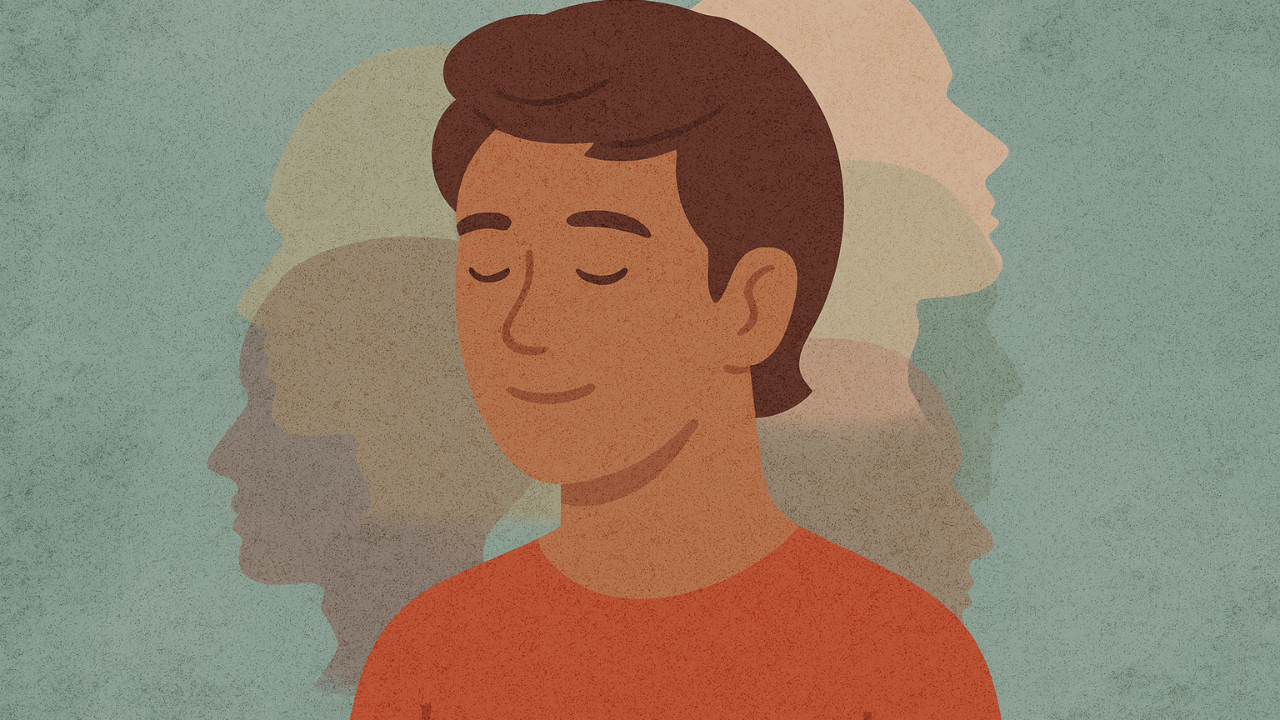
Hello again. This is Ian, the host of a dissociative multiple system with at least 16 distinct identities. From now on the blog posts will begin by stating who is writing it and what role that identity plays in the system. Welcome back and thanks for taking some time to learn more about DID and what it’s like from the perspective of someone who lives it on a daily basis.
I know there are going to be lots of questions. I’m okay with that. Right now I am also learning since I’ve only known I am multiple for the last five months so I understand the desire to want to know more. This blog is helping me process my experience as I discover what it means to exist in a multiple system and how I can become a functioning adult and so I'm opening up as way for all my readers to ask questions.
If you want to ask me anything, please send an email to: TheEmpoweredMultiple@gmail.com.
I or one of my internal family members will try to respond to emails as we are able, but we won’t be able to answer all your questions. Instead we’ll be collecting them into themes to address in future blog posts.
In future posts I’ll cover more about terminology and how DID works, along with introducing other alters/family members if and when they feel comfortable doing so. For now, we’re going to be talking about what my subjective experience is like.
Please keep in mind that DID is experienced and expressed differently in different people. I can only speak to what it’s like for me and I’m not claiming to speak for anyone else.
Let’s start with what being a multiple is not like:
… it’s not like talking to myself. I do have internal self-talk, just as I assume you do. My internal self-talk is distinct from my conversations with other internal family members. Each of them also has their own internal self-talk. Sometimes I’m privy to it and sometimes I’m not.
… it’s not like having other entities inside me. The alters are all part of one person and we are aware that we form the same person even while having separate identities. We each perform a role that is needed for the family system to function. Those roles can and do change over time. For example, the person writing this post is the one most of you know as “Ian” and I’m the system’s host, meaning I am in control of the physical body most often. However, at some point in the future, I may move back into the background and someone else will become the host. I am the host right now not because I’m special, but simply because I am best suited for that role during this time in our life.
… it’s not like being possessed by demons or evil spirits. I want to be super clear about this: I experience an actual diagnosable psychiatric disorder that is becoming more well understood all the time. The alters in my family system are not demons, they are not evil, and they are not parasites. We are all part of a system that works together and we care for each other. I love the others deeply. If you are energetically skilled and you try to “exorcise” or “clear” any of the others, you can cause actual harm to me and my family system. People have tried to do this before and it simply caused more trauma, even to the point of creating new alters to deal with that trauma. Please don’t do that.
… it’s not like never being lonely. There’s a misconception that having a system of alters means I’m never lonely, but that’s not the case. I can and do sometimes feel lonely. Each of my family members can feel lonely. Most importantly, as a collective system we often feel lonely because we don’t currently have any friends who are openly multiple (or at least none that I’m aware of). I do have an amazing wife whom I love deeply, a great group of friends, and a skilled team of therapists. All of those people allow me and the others to express ourselves and be part of the healing and part of the community. So I don’t want to discount those relationships and how critical my support network is. Still, it would be nice to share this experience with others who know what it’s like internally.
… it’s not like having some incredibly rare and untreatable condition. I know, you’re thinking it must be rare because you almost never meet a multiple. Except you do, and more often than you realize. We are about two percent of the worldwide population, which is roughly the same as the percentage of redheads in the world. And most multiples are unaware of their condition and undiagnosed. This means you almost certainly have met multiples before even if you didn’t know it. There are a number of established modalities for treating multiples and helping them learn to function in society.
… it’s not like having lots of copies of me. My family members are me, and I am them insofar, as we exist in the same body and are part of the same person. Also, it's not at all clear who "me" is. The person writing this post identifies as a male named "Ian" and is the current host of this system, meaning I am in control of the body most of the time. But it's not at all clear that I represent any sort of core or original version of whoever "Ian" is. We're all part of that original "Ian" and we're all quite different. Currently there are nine males and seven females, ranging in age from 4 to 425. Most are white and at least two are Latino. Most are straight, at least two are bisexual, at least one is gay, and at least one is asexual. Some are quite shy while others are very outgoing. We like different music, different foods, and different activities. We each have different strengths and we are triggered by different things. In other words, my inner family is as diverse as any group of people.
… it’s not like in the movies. Movies tend to portray DID in an exaggerated and dramatic fashion. In real life the external expression of identity switching can vary and, for most multiples, is much more subtle than what you see in the movies. For example, if you’re watching me closely during a switch, you may see me “zone out” for a bit, or sometimes I’ll look like I’m in some distress or disoriented. Other times the switch is incredibly smooth and fast where two identities are close to the front and they have a good relationship. And the difference in how they express externally can be as simple as me slightly changing my posture and the timbre of my speech. Other times it will be apparent I’m not the same person, though usually only if you know me well. Movies also like to portray people with DID as being somehow disturbed and dangerous. In real life, we tend to be quite empathetic and sensitive … we are just people doing the best we can like anybody else.
… finally, it’s not like having fun. Now, I’m not saying the internal family doesn’t have fun, because we do. We engage in external activities we find enjoyable and we have fun with one another in our inner world. We also find beauty and love and wonder in the experience. But the disorder itself is not fun at all. The process of switching identities can be distressing and confusing especially for the identities that are close to the front at the time. The constant interaction in the inner world makes focusing on tasks incredibly difficult. It will take years to unpack the emotional baggage from past traumas we experienced as well as the ways we acted towards others. This all makes functioning in daily life challenging to say the least. We are only five months into mental health treatment that is likely to go on for many years, possibly for the rest of our lives. So we are still at the stage of trying to figure out how to function harmoniously internally and how to interact in a productive manner externally. So while this might seem kind of fun, it’s really not something to be envied.
Thanks again for reading. In the next post we’ll talk more about what it IS like, at least in my subjective experience.
